Laboratory Equipment Manufacturer and Supplier in Tanzania Regulations
What is the regulatory framework for laboratory equipment in Tanzania?
Medical Stores Department reports sourcing approximately 80 percent of medicines and 90 percent of medical and laboratory supplies from various countries to meet national demand. Operating as a laboratory equipment manufacturer and supplier in Tanzania requires strict adherence to statutory oversight. The Tanzania Medicines and Medical Devices Authority regulates medical devices, diagnostics, and laboratory hardware under Section 18 of the Tanzania Medicines and Medical Devices Act, Cap. 219. Businesses must register their premises before importing or distributing scientific apparatus. According to the TMDA medical devices licensing guidance, applicants must secure appropriate permits to ensure full quality compliance.
How do import controls affect laboratory suppliers?
Imported scientific instruments must enter the country through authorized ports of entry designated by regulatory authorities. The TMDA advises traders to submit import applications at least six weeks prior to any physical shipment. Official processing typically takes seven business days for complete submissions. Furthermore, incoming reagents and chemical supplies require supplementary approvals from specialized agencies such as the Government Chemist Laboratory Authority. Suppliers can review specific import steps via the TMDA import control portal.
What standards apply to laboratory glassware and apparatus?
The Tanzania Bureau of Standards establishes mandatory technical specifications for scientific glassware and measurement tools. Approved national standards include TZS 3304:2024 for single-volume pipettes and TZS 3305:2022 for graduated measuring cylinders. Local vendors must align their product inventories with these statutory requirements. The TBS standards catalogue details exact calibration parameters for educational and industrial laboratories.
How does public procurement operate for scientific supplies?
Public institutions acquire scientific instruments through structured tenders managed by national procurement entities. The Medical Stores Department procures goods for public health facilities according to the Public Procurement Act. Tenders frequently target regional universities and research centers across regions like Mwanza, Arusha, and Morogoro. Detailed purchasing guidelines are publicly available through the MSD procurement portal.
What are the recent procurement trends for laboratories?
Government agencies routinely publish general procurement notices to acquire analytical hardware for public health laboratories. For instance, public tenders target the Central Zone and higher education institutions under national development initiatives. Interested vendors track these purchasing notices through the TMDA general procurement notice.
Conclusion
Navigating the Tanzanian scientific market demands strict compliance with TMDA licensing laws, TBS measurement standards, and public procurement rules. Suppliers must secure proper premise registrations and adhere to import timelines to operate legally. Aligning business practices with national regulations ensures steady participation in public and private sector tenders.
-
Educational Trainers
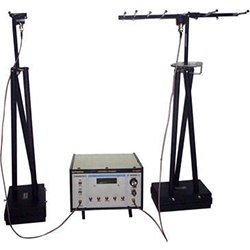
Motorised Antenna Trainer with Plotting Software and 22 Antennas
Rated 0 out of 5Read more -
Applied Mechanics Lab Equipments
Multipurpose Air Duct and Heat Transfer Trainer
Rated 0 out of 5Read more -
Applied Mechanics Lab Equipments
Heat Transfer in a Tubular Heat Exchanger Trainer
Rated 0 out of 5Read more -
Fundamentals of Thermodynamics
Fundamentals of Temperature Measurement Apparatus
Rated 0 out of 5Read more -
Fundamentals of Thermodynamics
Thermal Conductivity of Building Materials Apparatus
Rated 0 out of 5Read more